Rising Demand for Electric Forklifts in Warehouses and Logistics
19 Sep 2026
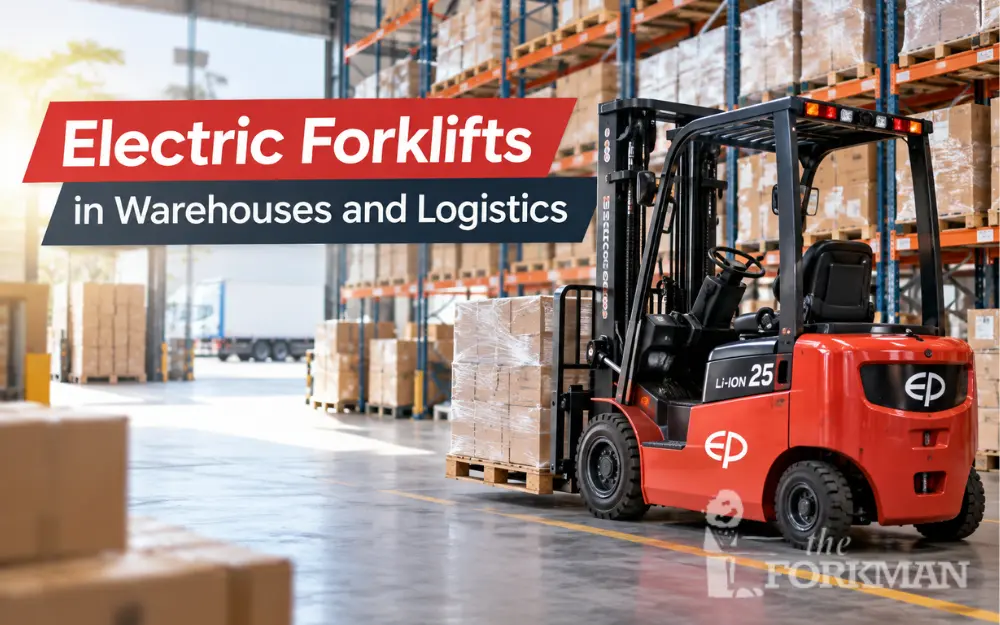
Warehouses across South Africa are changing how they move goods. More
businesses now ask for electric forklifts instead of diesel or gas models. This shift is
not a passing trend. It comes from real needs like lower running costs, cleaner air
and quiet operation. Logistics companies also want safer sites and steady daily
output. Electric forklifts help them reach these goals. In this blog, we
explain why
demand is rising and where it is growing fastest. You will also learn what to check
before you buy or hire one.
Why Electric Forklifts Are Gaining Attention
Warehouse work is faster than before. Customers expect quick delivery. Stock moves
in and out all day. Forklifts must keep up with this pace.
Diesel and gas machines can do the job. But they bring fumes, noise and fuel
handling. Electric models solve many of these problems. They run on batteries and
produce no exhaust while working. This makes them a good fit for indoor
warehouses, cold rooms and food storage areas. Operators also like the smooth and
quiet drive. They feel less tired after long shifts, and that helps them stay focused.
Lower Running Costs and Less Maintenance
Fuel is a regular expense for any forklift fleet. Electric forklifts remove the need for
diesel or gas. Charging is easier to plan and manage.
Electric motors also have fewer moving parts than engines. There is no engine oil to
change. There is no exhaust system to repair. This means fewer service visits and less
downtime. Over time, many businesses find that the total cost of ownership is lower.
The exact saving depends on your usage, battery type and service plan. But the
pattern is clear. Less fuel and less servicing help protect your budget.
"From busy logistics centres to growing storage yards, the right forklift keeps every
shift smooth and every working hour more productive, safe and profitable - The
Forkman”
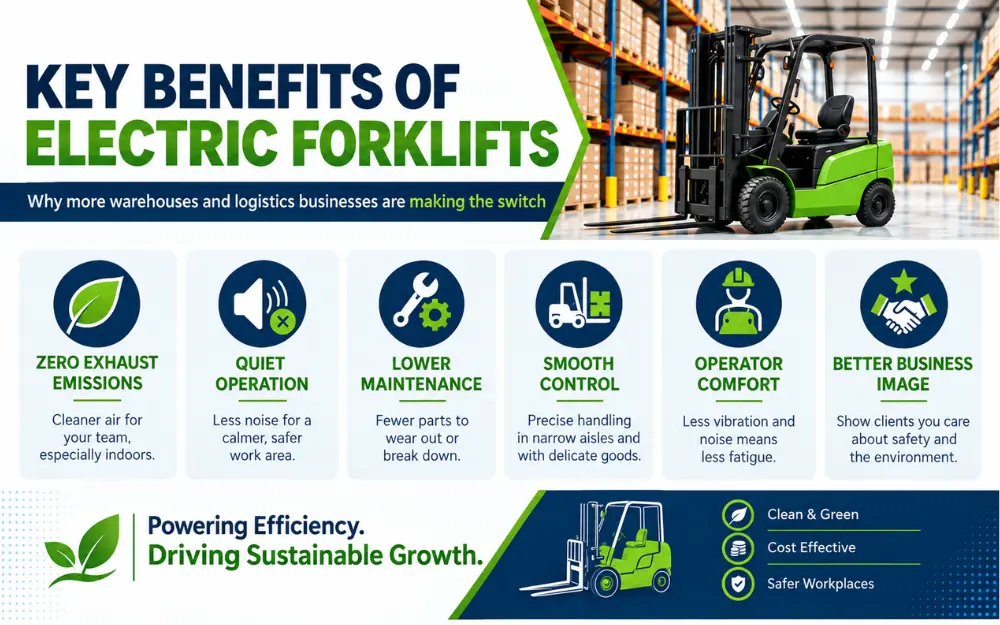
Key Benefits of Electric Forklifts
- Zero exhaust emissions: Cleaner air for your team, especially indoors.
- Quiet operation: Less noise makes the work area calmer and safer.
- Lower maintenance: Fewer parts wear out or break down.
- Smooth control: Precise handling helps in narrow aisles and with delicate
goods.
- Operator comfort: Less vibration and noise means less fatigue.
- Better business image: Clients see that you care about safety and the
environment.
- Where Demand Is Growing in South Africa
Demand is strongest in cities with busy freight and storage activity. Johannesburg
and Midrand are major logistics hubs. Distribution centres there run long shifts and
need reliable machines.
Pretoria and Centurion have a mix of manufacturing, warehousing and retail supply.
Germiston is known for its industrial zones. Durban depends on its port, so container
yards and cold stores need dependable handling. Cape Town has strong food, fresh
produce and retail sectors. These businesses prefer clean and quiet equipment.
Online shopping is also growing, so fulfilment centres in every major city need more
forklifts.
Power Planning and Load Shedding
Some buyers worry about power cuts. This is a fair concern in South Africa. The good
news is that it can be managed.
Many sites use backup power, inverters or solar systems. Others charge batteries
during off-peak hours. Spare batteries can keep machines working while one set
charges. Lithium-ion
batteries charge faster and allow quick top-ups during breaks. A
little planning makes electric forklifts practical for most warehouses.
What to Check Before You Buy or Hire
Load capacity: Match the forklift to your heaviest regular load.
Lift height and aisle width: Make sure the machine fits your racking and space.
Battery type and charging time: Choose what suits your shift pattern.
Work area: Check whether you work indoors, outdoors or on uneven ground.
Supplier support: Ask about servicing, spare parts and response time.
Operator training: Trained drivers keep your site safe and protect your
equipment.
Buy or hire: Hiring suits short projects and seasonal peaks. Buying suits daily
long-
term use.
Supporting Logistics and Fast Delivery Targets
Fast delivery is now a key goal for logistics businesses. Customers want their orders
on time, every time. Warehouses must load, unload and store goods without delay.
Electric forklifts help teams stay on schedule. They start quickly and run smoothly
through long shifts. Their quiet operation allows work to continue in busy indoor
areas. Fewer breakdowns also mean fewer delays in the loading bay. Good charging
plans keep machines ready when the next order wave arrives.
Precise handling is another advantage. Operators can move pallets safely through
narrow aisles. This
saves time during picking, packing and dispatch. It also reduces
damage to stock. Every saved minute adds up across a full day.
Distribution centres in Johannesburg, Midrand and Pretoria handle high order
volumes every day. Online retail has added to this pressure. A reliable forklift fleet
helps these sites keep goods moving. When goods move faster, delivery targets are
easier to meet.
Key Takeaways for Warehouse Owners and Logistics Managers
- Electric forklift demand is growing because these machines are clean, quiet
and easy to maintain.
- Electric forklifts suit indoor work and busy multi-shift sites.
- Electric forklift demand is rising in top cities of South Africa, like
Johannesburg, Pretoria, Durban and Cape Town.
- Good charging plans can handle power cuts and load shedding.
- Before you decide, check the load size, battery type and supplier support.
- This guide is useful for warehouse owners, logistics managers, fleet buyers
and small businesses planning their first forklift.
Conclusion
The rise in electric forklift demand is easy to understand. Businesses want lower
running costs, safer sites and cleaner operations. Electric models deliver on all three.
With the right planning, they work well even in areas with power challenges.
If you are ready to upgrade your material handling, The Forkman, can help you find
the right machine for your site. Contact The Forkman today and move your
warehouse and logistic business forward with confidence.