How to Choose the Right Forklift Battery for Your Warehouse?
26 Oct 2026
Buy the wrong forklift battery and you'll feel it within weeks: shorter runtimes, more
charging breaks, maintenance calls that eat into the schedule. Get it right, and the
battery basically disappears into the background of daily operations, which is exactly
where it should be. With more battery types available in South Africa than there used to
be. Warehouse owners now have real choices to make, not just a default option. This
insight covers the main types on the market, what separates a decent electric forklift
battery from a great one, and how to find a supplier worth sticking with.
The Basics: Lead-Acid vs Newer Options
A forklift battery does the actual work of powering lifts, drives, and steady handling
through a shift. It's the part that determines whether your fleet keeps pace or slows
down. Lead-acid batteries have been around for decades and still make sense for
lighter. Single-shift setups where budget matters more than speed. The trade-off is
upkeep: watering schedules, equalising charges, a ventilated charging room set aside
just for this purpose. Skip a step and battery life drops fast. Newer sealed designs have
largely done away with that routine. Which is part of why so many businesses are
rethinking what they buy next.
Electric Power is Becoming the Default, Not the Upgrade
Warehouses keep shifting toward electric forklift battery
systems, and cost is a big part
of why. Electricity is cheaper than diesel or LPG in most cases. There's less engine
servicing to worry about, and the whole setup runs quieter. Which matters when
forklifts and staff share the same floor space. No exhaust fumes either, so enclosed
facilities, cold storage, and food-handling sites tend to prefer electric almost by default
now. None of this is new information exactly, but the gap between electric and fuel-
powered running costs has widened enough that it's changed how businesses budget
for new equipment.
Where Lithium Fits In
A lithium forklift battery is usually the step up once a business outgrows lead-acid.
Charging time alone tells most of the story: one to two hours instead of eight or more.
That's the difference between a battery that ties up a forklift overnight and one that can
top up during a lunch break. Power output stays consistent too, no gradual sag toward
the end of a long shift, which lead-acid batteries are prone to. Because the cells are
sealed, there's no acid handling and no water top-ups, so a lot of the routine
maintenance work just goes away. For anyone running multiple shifts back to back. That
consistency tends to matter more than almost anything else on the spec sheet.
“Choose the right forklift battery to maximise productivity, minimise downtime, and
improve warehouse efficiency with The Forkman.”
Finding a Forklift Battery Supplier South Africa Businesses Can Rely On
The battery is only half the equation. A forklift battery supplier South Africa
operations
can actually depend on should be able to explain, honestly. Which battery fits your
forklift model and how it's used, not just push whatever's in stock. Ask about local
availability too. A supplier that has to order parts from overseas every time something
needs replacing isn't going to help you when a battery fails on a Tuesday afternoon.
After-sales support is the real test, though. Plenty of suppliers are easy to reach before
the sale and much harder to reach after it. Talking to other businesses in your area, or
reading a few reviews, usually surfaces which suppliers actually stick around.
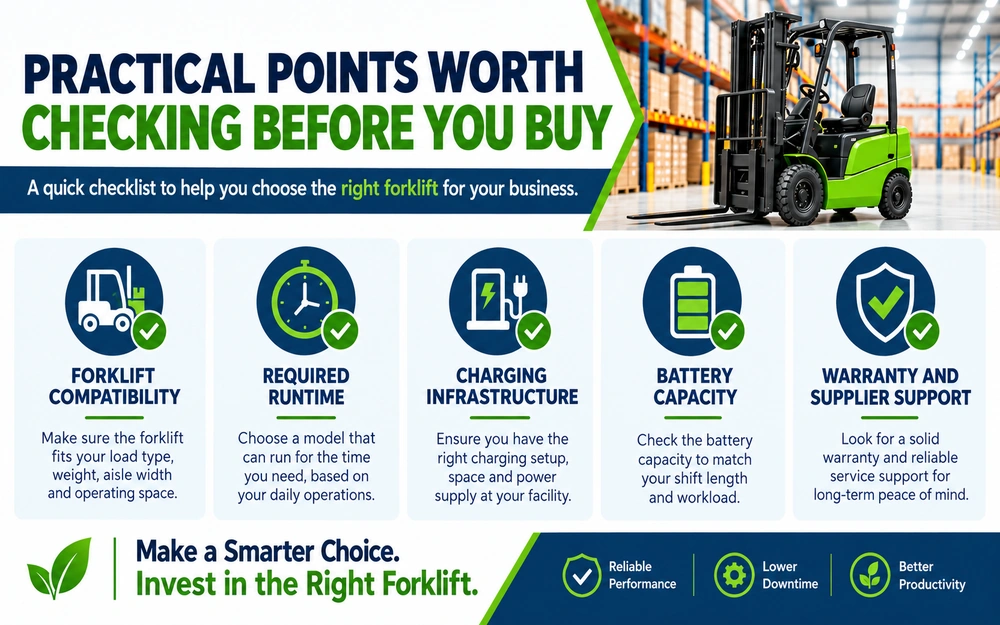
Practical Points Worth Checking Before You Buy
A few things are worth working through before settling on a battery, rather than after:
- Daily runtime per forklift, and whether short opportunity-charging breaks would
realistically fit your shift pattern
- Available floor space, a dedicated charging room isn't always feasible, and lithium
sidesteps that need
- Total cost over three to five years, not just what's on the price tag today
- Warranty length and how long the supplier has actually been servicing equipment
locally, not just selling it
- Whether the battery is genuinely compatible with your current forklift, since not
every unit fits every machine
Working through this list first tends to save a lot of backtracking later.
Why Pretoria's Logistics Sector Keeps Choosing Lithium
Demand for forklift battery Pretoria solutions
has climbed as the city's distribution and
logistics hubs have grown. Operations near major transport routes run on tight
turnaround times. And any delay caused by charging or unplanned maintenance ripples
through the rest of the schedule fast. That's a big part of why more businesses here are
moving to lithium. It keeps forklifts moving without the long charging gaps that lead-
acid requires. Local suppliers who know Pretoria's warehouse conditions also tend to
respond faster when something breaks. Which matters more than people expect until
the day it happens.
Matching the Battery to How You Actually Work
There's no single forklift battery that suits every warehouse, and it's worth being
honest
about that. A small operation running one shift a day may genuinely be better off
sticking with lead-acid for now. Lithium's advantages don't always justify the higher
upfront cost at that scale. Busier, multi-shift sites usually see the opposite while
choosing the right
forklift battery for warehouse. Before deciding either way. It helps to
actually track how forklifts are used: hours run, how often batteries get swapped. How
much staff time goes into upkeep each week? That kind of detail tells you more than a
price comparison ever will. A short trial with a single lithium unit, run alongside the
existing fleet, is often the easiest way to confirm real performance before committing
further.
Final Thoughts
The right forklift battery depends on how your warehouse actually operates, not on
whichever option looks best on paper. Sometimes that means lead-acid still makes
sense. Often, for busier operations, it means lithium. Either way, the supplier you
choose ends up mattering almost as much as the battery itself, good guidance and
reliable local support make the whole decision easier to get right the first time. At The
Forkman, we work with warehouses across South Africa to match forklift and battery
setups to real daily demands, with the local backup to support that choice long after the
sale.